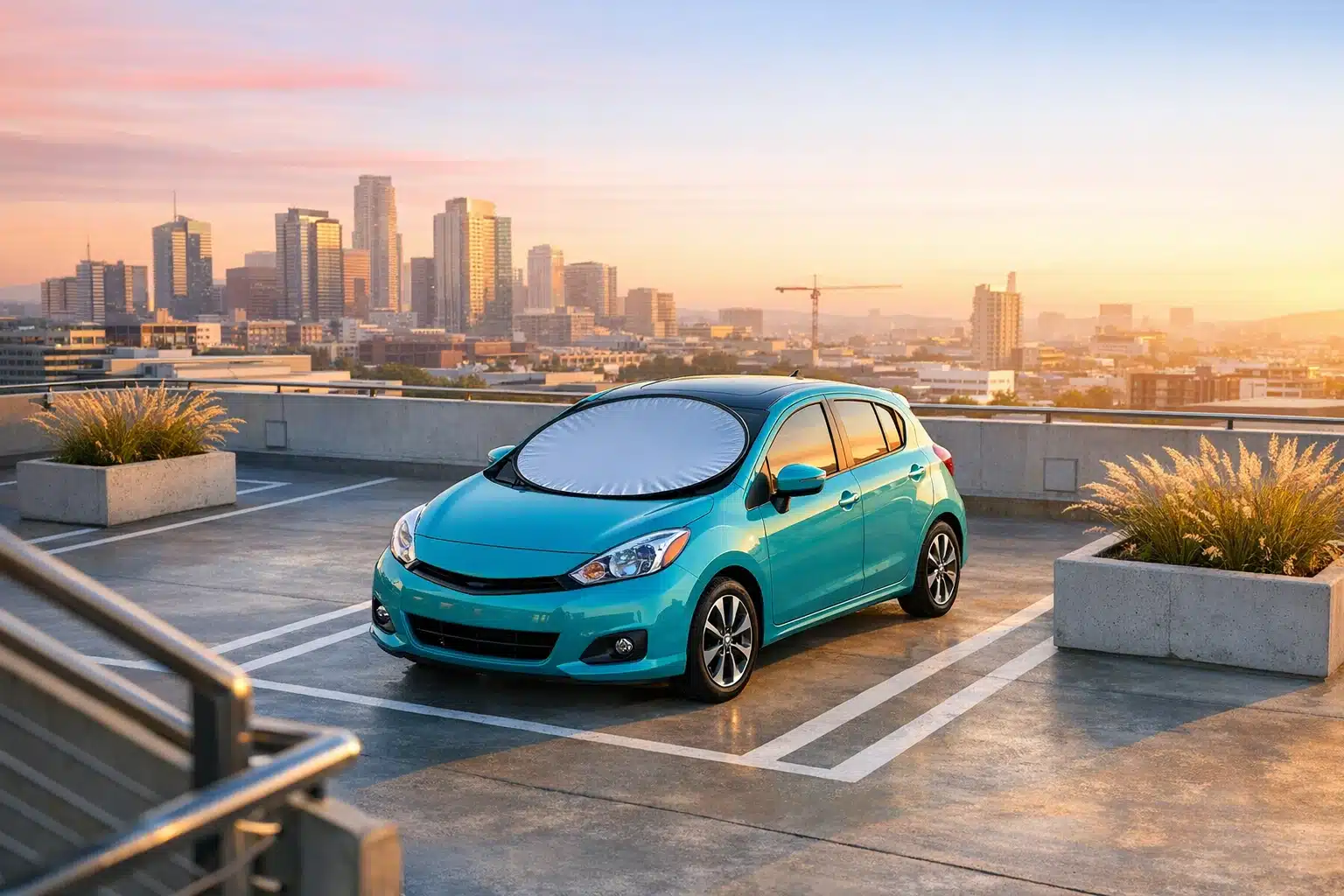
Tired of Flimsy Sunshades That Keep Falling? Check Out These Pop-Up & Foldable Winners
A car sun visor looks simple, almost forgettable, until late-afternoon glare turns the road ahead into a sheet of white light. Whether you commute daily, drive long highway stretches, or juggle school runs and errands, the right visor or sunshade can make the cabin calmer, safer, and easier on your eyes. This guide explains how factory visors, clip-on extenders, pop-up shades, and foldable models differ, what features actually matter, and how to choose one that fits your car and driving habits.
Outline: 1) why sun visors matter and how glare affects comfort and focus; 2) differences between built-in visors, extender panels, pop-up shades, and foldable windshield shades; 3) materials, fit, durability, and installation details that separate sturdy designs from disappointing ones; 4) how to choose the right option for your vehicle, climate, and routine; 5) a conclusion with practical advice for commuters, families, rideshare drivers, and weekend travelers.
Why a Car Sun Visor Matters More Than Most Drivers Realize
Many drivers think of a sun visor as a basic flap above the windshield, useful but hardly worth much thought. In practice, it is one of the simplest comfort and visibility tools inside the cabin. Bright sunlight can create direct glare, reflected glare from the hood or dashboard, and a broader sense of visual fatigue that builds over the course of a drive. When the sun sits low in the sky, especially during early morning and late afternoon, the effect is even more noticeable. The road does not change, but your ability to read it quickly can. Lane markings appear washed out, traffic lights become harder to distinguish at a glance, and pedestrians or cyclists can blend into the brightness.
That is why a good visor is not just about comfort. It supports better concentration by cutting the amount of harsh light entering your line of sight. Most factory visors are designed for general use, which means they do an acceptable job for many drivers but not always a great one. If you are tall, short, sit unusually close to the wheel, or drive a vehicle with a large windshield, the built-in visor may leave gaps that let light slip through at exactly the wrong angle. It is a small problem until it is suddenly not small at all.
A useful way to think about sun visors is to separate two jobs they can do:
• block direct sunlight while driving
• reduce cabin heat and UV exposure when parked
The first job is handled mainly by the factory visor or a visor extender. The second is usually handled by a windshield sunshade, often in pop-up or foldable form. They sound similar, but they solve different problems. A driver heading west at sunset needs better glare control in motion. A family parking outside a store in midsummer needs heat reduction while the car sits still. Sometimes one driver needs both, and that is where confusion begins when shopping.
There is also a comfort layer that people underestimate. Less glare means less squinting, less forehead tension, and fewer little posture adjustments that make a long drive oddly tiring. It is the automotive equivalent of lowering a room’s brightness from blinding to balanced. You may not praise it every day, but you feel the difference immediately when it works well. That is why choosing the right sun visor setup is less about gadgets and more about matching a simple tool to the reality of how, when, and where you drive.
Built-In Visors, Extenders, Pop-Up Shades, and Foldable Models Compared
The term sun visor for car can describe several products, and that is where many buyers get tripped up. The built-in visor, the clip-on extender, the pop-up windshield shade, and the foldable windshield shade all sit under the same sunny umbrella, yet each serves a different purpose. Understanding the differences helps you spend money once instead of buying three disappointing fixes in a row.
Start with the factory visor. It is already installed, pivots down, and usually swings sideways toward the side window. Its strengths are convenience and clean integration. It is always there, it matches the interior, and it takes no setup time. Its weakness is limited coverage. Many factory visors leave a gap between the visor edge and the rearview mirror area, or they fail to block low-angle sunlight coming from the side. For drivers with uncommon seating positions, that gap can feel like a spotlight aimed directly at one eye.
Clip-on extenders are made to solve that problem. They attach to the existing visor and add more width, depth, or side coverage. Some use tinted panels, while others use opaque fabric or mesh. Their main advantage is adjustability. A decent extender can cover the awkward slice of light the original visor misses. However, cheap versions often wobble, scratch easily, or block too much vision if the panel is too dark or too large. A visor should reduce glare, not create a new blind spot.
Now consider windshield shades for parked cars. Pop-up shades usually spring open from a compact folded ring. They are quick to deploy and easy to stash in a door pocket or seatback compartment. Foldable shades, especially accordion or panel-style designs, often provide broader coverage and a firmer fit against the windshield. Many drivers prefer them because they feel less flimsy once in place. The tradeoff is storage size. A pop-up model tends to collapse smaller, while a foldable design may be easier to handle but harder to tuck away neatly.
A practical comparison looks like this:
• Built-in visor: best for everyday driving, limited by factory size
• Clip-on extender: best for closing glare gaps, quality varies widely
• Pop-up shade: best for quick parking use, compact but sometimes springy and awkward
• Foldable shade: best for fuller windshield coverage, often sturdier but bulkier
If the title promises winners, the real winners are the designs that match the task. For active driving, a well-fitted visor extender often beats a generic tinted gadget. For parked heat reduction, a foldable windshield shade usually feels more secure in large windshields, while a pop-up option suits drivers who value speed and small storage. Choosing between them is less about hype and more about whether you need motion protection, parked protection, or both.
What Separates a Durable, Effective Sun Visor from a Flimsy One
The difference between a helpful sun visor and an annoying one usually comes down to a few unglamorous details: material quality, fit, hinge strength, edge finishing, and ease of use. These are not flashy features, but they decide whether the product becomes part of your routine or ends up abandoned in the trunk beside old charging cables and a lonely grocery bag.
For visor extenders, the first thing to inspect is the attachment method. A secure clip or strap system matters more than clever packaging. If the extender slips every time you hit a pothole or adjust the visor angle, it stops being useful very quickly. Good extenders stay stable without requiring too much force to install. They should also avoid damaging the original visor fabric or leaving pressure marks. A rigid plastic clamp may feel sturdy at first, but if it pinches too hard or creaks constantly, you will notice it every day.
Material choice changes the experience as well. Mesh designs can reduce brightness while preserving some outward visibility, which many drivers prefer in side-light conditions. Solid opaque panels block more light but can feel intrusive if oversized. Tinted transparent panels are a mixed case. Some drivers like them, especially amber or gray tones, but extremely dark panels can distort color perception or make already dim conditions less comfortable. In simple terms, the best material is one that lowers glare without making the world look artificially difficult to read.
For pop-up and foldable windshield shades, fit is everything. A shade that matches the width and height of the windshield will perform better than a one-size-fits-all product that leaves sunny triangles at the edges. Stiff perimeter rings can help pop-up shades stay open, but poor ring tension can cause them to twist out of place. Foldable panel shades often benefit from reinforced seams and a firm core layer that resists sagging. Reflective surfaces can help bounce sunlight back outward, while inner insulating layers may reduce cabin heat buildup more effectively than a thin single-layer screen.
Signs of a better-built shade often include:
• reinforced stitching or well-finished edges
• a storage system that does not fight you every time
• a shape that matches your windshield style
• stable attachment points or sun visor support tabs
• materials that resist warping in summer heat
Think of it like camping gear for your dashboard. The good stuff opens without drama, stays where it should, and folds away without requiring a wrestling match. The bad stuff feels clever for two days, then starts slipping, bending, or shedding its reflective coating. Durability is not a glamorous feature on the label, but in the daily life of a car owner, it is the feature that earns repeat use.
How to Choose the Right Option for Your Vehicle, Climate, and Driving Routine
Choosing the right sun visor setup becomes much easier when you stop asking, “What is the best one?” and start asking, “What problem am I trying to solve?” The answer changes depending on the vehicle you drive, the climate you live in, and the times of day you are usually on the road. A compact hatchback used for city errands has different needs from a large SUV parked outside all day, and a rideshare driver logging long hours will notice flaws that a weekend driver may barely register.
If your main problem is blinding low-angle sunlight during active driving, start with your factory visor and identify its failure point. Does light sneak in near the mirror? Does the side window area stay exposed? Do you need more length or more width? A visor extender is often the most direct fix. Look for one designed for your visor size and seating position rather than the cheapest universal option. Drivers who frequently travel east in the morning or west in the evening benefit most from products that allow fast, one-handed adjustment.
If heat buildup is the bigger issue, focus on a windshield shade for parked use. In hot climates, cabin temperature can rise fast in direct sun, and even when a shade does not make the interior cool, it can still reduce how punishing the cabin feels when you return. Steering wheels, dashboards, and touchscreen surfaces all benefit from some protection. Here, foldable shades often work well for larger vehicles, while pop-up shades suit smaller cars or drivers who want quick deployment during short stops.
It also helps to match the product to your routine:
• Daily commuter: prioritize driving glare control and easy adjustment
• Parent or caregiver: look for fast setup, safe storage, and durable materials
• Road trip driver: choose comfort over novelty and avoid products that obstruct view
• Rideshare or delivery driver: focus on durability, repeat handling, and compact storage
• Hot-climate parker: choose a windshield shade with broad coverage and reflective outer material
Vehicle shape matters more than many shoppers expect. Sloped windshields, tall cabins, panoramic glass, and large side windows all change how sunlight enters the car. Some shades work beautifully in a sedan but feel undersized in a crossover. If measurements are available, use them. If the product only promises a universal fit without dimensions, treat that claim cautiously.
Finally, do not ignore the human factor. If a shade is so awkward that you delay using it, it is the wrong shade. Convenience matters because habit matters. The best sun visor solution is the one that fits your car, solves your specific problem, and becomes part of your routine without adding friction to it.
Conclusion: A Smarter Sun Visor Setup for Everyday Drivers
For most drivers, the ideal answer is not a single miracle product but a simple combination that matches real life. Use the built-in visor for what it already does well, add an extender if direct driving glare keeps slipping through, and keep a pop-up or foldable windshield shade for parked protection. That layered approach covers both main problems: seeing clearly while driving and keeping the cabin more manageable when the car is sitting in the sun.
If you are a commuter, your best investment is usually better active glare control. The right extender can make sunrise and sunset drives feel less tense and less fatiguing. If you are a parent, a parked-car shade may quickly become the cabin comfort tool you appreciate most, especially when buckling children into hot seats. If you drive for work, durability and easy handling should be high on your list because a product that is used repeatedly needs to stand up to repeated folding, clipping, and storage. And if you mostly take weekend trips, compact storage may matter more than premium features, because you want something useful that does not clutter the cabin all week.
Before buying, run through a practical checklist:
• Do I need glare protection while driving, heat reduction while parked, or both?
• Is my problem at the windshield, the side window, or the area near the mirror?
• Will this fit my vehicle’s glass size and visor dimensions?
• Can I install, remove, or fold it quickly without frustration?
• Does the design preserve visibility rather than create a new obstruction?
There is a small pleasure in solving a daily irritation well. A good sun visor or windshield shade will not transform your car into a luxury lounge, but it can take the edge off bright drives and hot parking lots in a way you notice almost immediately. The best choice is the one that feels boring in the best possible way: it works, it stays put, and it does not demand attention after that. For drivers tired of flimsy sunshades that keep falling, that kind of quiet reliability is the real winner.