Ireland All-Inclusive Holidays: Budget and Travel Insights
Ireland all-inclusive holidays attract travelers who want dramatic coastlines, lively cities, and easy logistics in one booking. A well-designed package can combine hotels, transport, selected meals, and guided sightseeing, making costs easier to predict before departure. That convenience matters in a destination where weather, regional distances, and peak-season demand can reshape plans quickly. This guide explains how these holidays work, what they usually cost, and which style of trip makes the most sense for different travelers.
Outline and Why Ireland All-Inclusive Holidays Matter
Before comparing prices or routes, it helps to understand why this travel format has become so appealing. Ireland is compact on a map, yet traveling across it can be more complex than many first-time visitors expect. Roads in scenic areas are often narrow, weather can change with little warning, and the most famous sights are spread across several regions rather than clustered in one easy circuit. An all-inclusive holiday, or at least a broadly bundled tour, answers those challenges by reducing the number of separate decisions a traveler must make.
For some people, the biggest benefit is convenience. For others, it is cost control. Families like having more of the trip prepaid. Couples often prefer a smoother rhythm with fewer logistics. Solo travelers may value group transport and scheduled excursions, especially in rural areas where public connections are less direct. Older travelers frequently choose organized packages because they reduce driving fatigue and remove the pressure of constant navigation. In a place as layered as Ireland, where one day might include a city walking tour and the next a windswept coastal drive, structure can be a practical luxury.
This article follows a clear path so readers can compare options without getting lost in brochure language. The main points are:
- What “all-inclusive” usually means in the Irish travel market
- Which services are typically included and which often cost extra
- How to think about budgets by season, travel style, and duration
- Which destinations work best in packaged itineraries
- Who benefits most from booking this kind of holiday
There is also an important reality check here: Ireland all-inclusive holidays rarely resemble the classic beach-resort model found in Mediterranean or Caribbean destinations. Instead, they are more likely to be escorted tours, coach journeys, small-group cultural trips, or premium packages that bundle accommodation, transport, and sightseeing. That distinction matters, because many travelers assume “all-inclusive” means unlimited food and drinks on site. In Ireland, the phrase usually leans more toward comprehensive touring than resort indulgence.
Think of the country itself as the main attraction. The reward is not one fenced-off property with everything inside it, but a rolling sequence of places: Georgian streets in Dublin, music sessions in Galway, limestone landscapes in Clare, and the cinematic curve of the Ring of Kerry. Knowing how packaged travel fits into that experience is the best starting point for building a trip that feels organized without feeling overly rigid.
What Is Usually Included in an Ireland All-Inclusive Tour?
The first thing travelers should know is that Ireland all-inclusive holidays vary more than the phrase suggests. One operator may include airport transfers, daily breakfast, several dinners, attraction tickets, and a full-time guide. Another may only bundle hotels, coach transport, and a small number of excursions. That is why the real skill is not spotting the words “all-inclusive,” but reading the package structure with care.
In the Irish market, most all-inclusive offers fall into a few recognizable categories. Escorted coach tours are the most common. These packages typically combine multi-city accommodation, travel by coach, a professional tour director, and entry to selected highlights. Small-group tours often offer a more personal experience, with fewer travelers and sometimes higher-quality hotels, but they usually cost more. Private or semi-private packages are the premium end of the market, often including chauffeur-driven transport, flexible daily plans, and upgraded dining.
Typical inclusions often look like this:
- Hotel stays for a fixed number of nights
- Daily breakfast and sometimes a few set dinners
- Ground transport between major stops
- Guided sightseeing in selected cities or landmarks
- Admission to high-profile attractions such as castles, distilleries, or heritage sites
Common exclusions are just as important:
- International flights in many land-only packages
- Lunches, drinks, and unscheduled evening meals
- Optional activities added during the tour
- Tips for guides and drivers
- Travel insurance and personal spending
This distinction becomes very practical when comparing prices. A lower headline rate may not be a better deal if half the dinners, airport transfers, and key entrances are missing. On the other hand, a slightly higher package that includes several paid attractions can represent stronger value, especially in a destination where admission costs add up across a week.
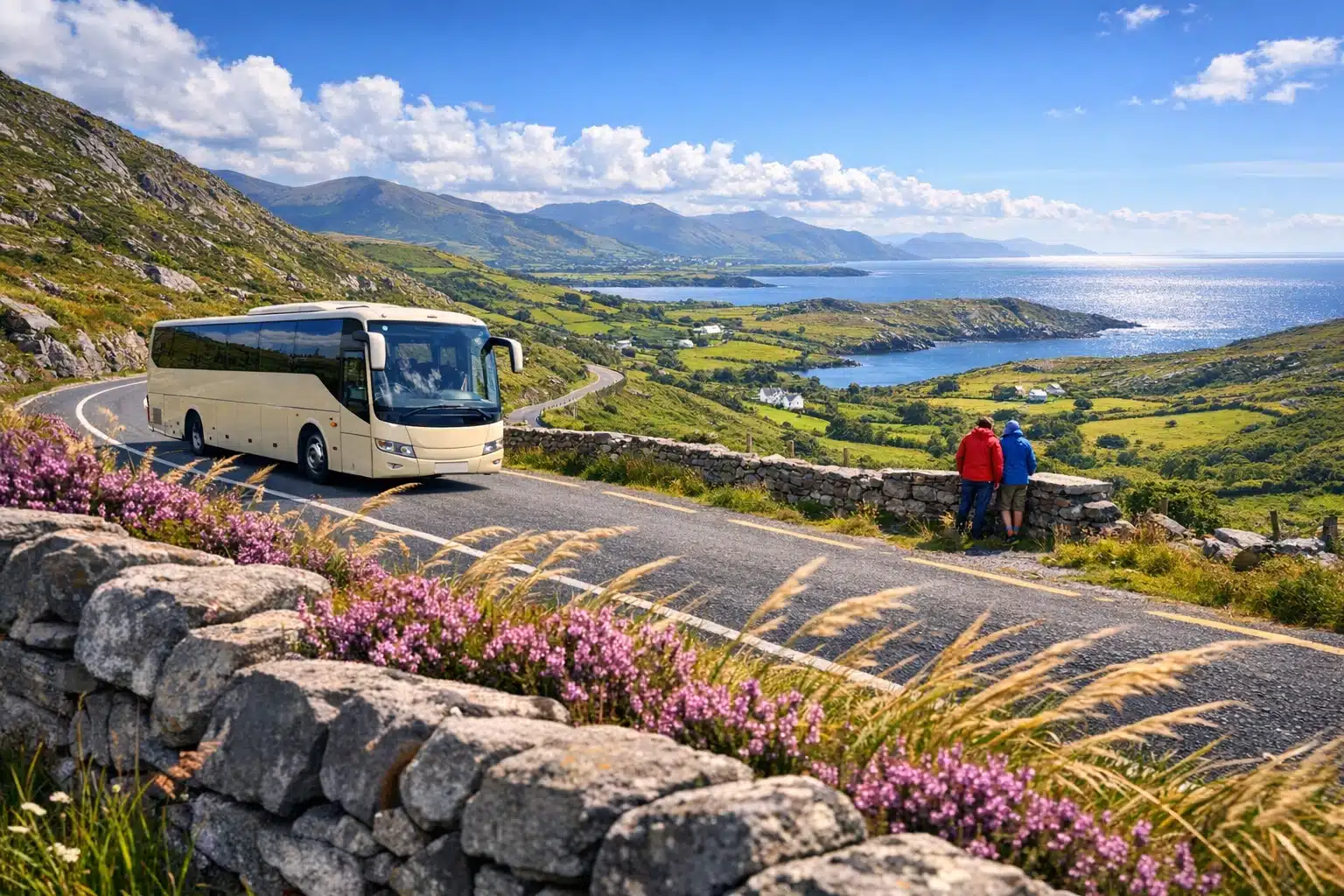
It also helps to understand how Ireland’s geography shapes inclusions. Because famous sites are spread across different counties, transport is often one of the most useful parts of the bundle. Reaching the Cliffs of Moher, the Ring of Kerry, or Connemara without a car can require separate trains, buses, or day tours if you travel independently. A package that solves those connections can save time as well as money.
There is a poetic side to this, too. Ireland is a country best absorbed in motion: a ruined abbey after breakfast, green fields flashing past the window by noon, fiddle music rising from a pub after sunset. A good all-inclusive tour does not remove discovery; it removes friction. The trick is to choose one that gives enough support without making every hour feel scripted.
Budget Insights: What These Holidays Cost and Where the Value Really Lies
Budget is the question most travelers ask first, and fairly so. Ireland is not usually considered Europe’s cheapest destination, particularly in summer, and packaged travel can look expensive at first glance. Yet the real comparison is not package price versus a fantasy bargain. It is package price versus the true cost of booking hotels, intercity transport, attraction tickets, and day tours separately during the same dates.
As a rough planning range, a mid-range land-only Ireland all-inclusive or near-all-inclusive tour of about five to seven days often starts around €1,200 to €2,200 per person, depending on season, hotel standard, and group size. Longer trips, premium properties, or smaller private groups can rise above that range, sometimes significantly. Once flights are added, the total climbs further, especially for transatlantic travelers in peak summer. These figures are not fixed rates, but useful guideposts for comparison.
Several factors push the price up or down:
-
Season: June through August is usually the costliest period, while spring and autumn often offer better value.
-
Accommodation level: Central four-star hotels in Dublin, Galway, or Killarney cost far more than simpler suburban or rural stays.
-
Group format: Large coach tours tend to be cheaper per person than small-group or private options.
-
Meal coverage: Breakfast-only packages appear cheaper than those with multiple dinners included.
-
Attraction depth: Tours with major paid entries can justify a higher sticker price.
The hidden budget issue is extras. Travelers should ask whether the package includes airport transfers, porterage, city taxes where applicable, and free time suggestions that accidentally become expensive add-ons. A tour that leaves three evenings entirely open in major tourist towns may sound flexible, but it also shifts meal spending onto the traveler in places where restaurant prices are not especially low.
Independent travel can absolutely be cheaper, especially for experienced planners traveling in shoulder season and using public transport strategically. But it is not always cheaper. In popular periods, hotel rates rise sharply, day tours sell at fixed prices, and car rental costs can increase substantially. Add fuel, parking, and insurance, and the savings gap can narrow. For some visitors, the real value of an all-inclusive holiday is not a rock-bottom total. It is the blend of predictable spending, fewer booking risks, and less time spent coordinating moving parts.
A practical budgeting mindset is to divide value into three layers: money saved, time saved, and stress saved. One traveler may care most about price. Another may gladly pay more to avoid driving on unfamiliar roads. A family may appreciate prepaid structure simply because it reduces decision fatigue. When you evaluate an Ireland package through those three layers, the best option becomes much easier to spot.
Best Itineraries, Regional Differences, and the Smart Season to Travel
Ireland rewards route planning. A strong all-inclusive holiday is not just a list of famous places; it is a sequence that balances travel time, scenery, and energy levels. The most common itineraries begin in Dublin and then arc west or south toward the country’s signature landscapes. For first-time visitors, that formula works well because it combines urban culture with the countryside that many travelers imagine before they arrive.
A classic five- to seven-day route often includes Dublin, Galway, County Clare, and County Kerry. Dublin offers museums, literary history, walkable neighborhoods, and easy arrival logistics. Galway brings a looser, more musical atmosphere and serves as a gateway to Connemara or the Cliffs of Moher. Clare adds dramatic Atlantic scenery, while Kerry delivers some of the island’s most famous road-trip views. In packaged form, this route is efficient because the transport transitions are handled for you.
Other itineraries expand northward toward Belfast and the Giant’s Causeway. This adds a useful layer of contrast, because Northern Ireland brings different political history, distinct urban character, and a practical travel detail many visitors overlook: the local currency there is the pound sterling rather than the euro. Good tours make these transitions seamless, which is one reason they appeal to first-time international travelers.
When comparing regional packages, look at how much time is actually spent in each place. A brochure may list six destinations, but if half the trip is spent on the road, the experience can feel rushed. A better itinerary usually includes at least two-night stays in one or two key hubs. That allows time for evening walks, local meals, and the small unscripted moments that make Ireland memorable.
- Short trips are best for Dublin plus one scenic region
- Week-long tours can comfortably cover Dublin, Galway or Clare, and Kerry
- Longer itineraries may add Belfast, Donegal, or the Wild Atlantic Way in greater depth
Season matters almost as much as route. Summer brings long daylight hours, festivals, and lively streets, but also higher prices and heavier visitor traffic. Spring often offers fresh landscapes and fewer crowds, while September can be especially appealing for travelers who want decent weather without peak-season intensity. Winter can be atmospheric and more affordable in cities, though daylight is shorter and rural touring options may be reduced.
Ireland has a habit of revealing itself in layers. A morning may begin under a soft gray sky, drift into rain over a castle ruin, and end with a sudden band of sunlight across a stone harbor. The best all-inclusive itinerary respects that rhythm. It leaves enough room for scenery, weather, and wonder to do their work, while still keeping the traveler moving comfortably from one chapter to the next.
Who These Holidays Suit Best, How to Choose Well, and Final Travel Takeaway
An Ireland all-inclusive holiday is not automatically the right answer for everyone, but it can be an excellent fit for several kinds of travelers. First-time visitors often benefit the most because Ireland’s highlights are spread out, and an organized route removes many early planning mistakes. Travelers with limited vacation time also gain a lot; when every hotel, transfer, and excursion is already arranged, more of the trip can be spent actually experiencing the place rather than solving logistics on the fly.
This format is especially suitable for:
- Couples who want a balanced trip with structure and free time
- Older travelers who prefer not to drive or switch hotels constantly
- Solo travelers who value group transport and some built-in social contact
- Families who want clearer advance budgeting
- Visitors coming during peak season, when independent planning gets more expensive and more fragmented
Still, independent travel may suit people who love spontaneous detours, deeply local food exploration, or extended stays in one region. If you dream of spending four nights in one village, taking slow walks, and building each day around the weather, a fixed package may feel too structured. The key is matching the travel style to the traveler, not assuming one model is universally better.
When choosing a package, ask practical questions before booking:
- How many meals are covered, and which ones?
- Are flights included or is the offer land-only?
- How much free time is built into the schedule?
- What hotel category is used, and where are the properties located?
- Which attraction entries are prepaid?
- What is the cancellation policy?
For the target audience of this topic, the best advice is simple: treat an Ireland all-inclusive holiday as a planning tool rather than a magic label. The most worthwhile packages are transparent, well-routed, and realistic about what is and is not included. If you want smoother travel, predictable spending, and a comfortable way to see multiple regions in one journey, this format can deliver strong value. If you compare the details carefully, choose the right season, and match the itinerary to your pace, an all-inclusive trip can turn Ireland from a complicated planning puzzle into a richly enjoyable escape.
In the end, the appeal is easy to understand. Ireland offers storybook scenery, historic towns, coastal drama, and a deeply social travel culture, but stitching those experiences together can take real effort. A thoughtfully chosen package does not replace the country’s charm; it simply clears a path toward it. For travelers who want less guesswork and more time soaking in the view, that can be money well spent.