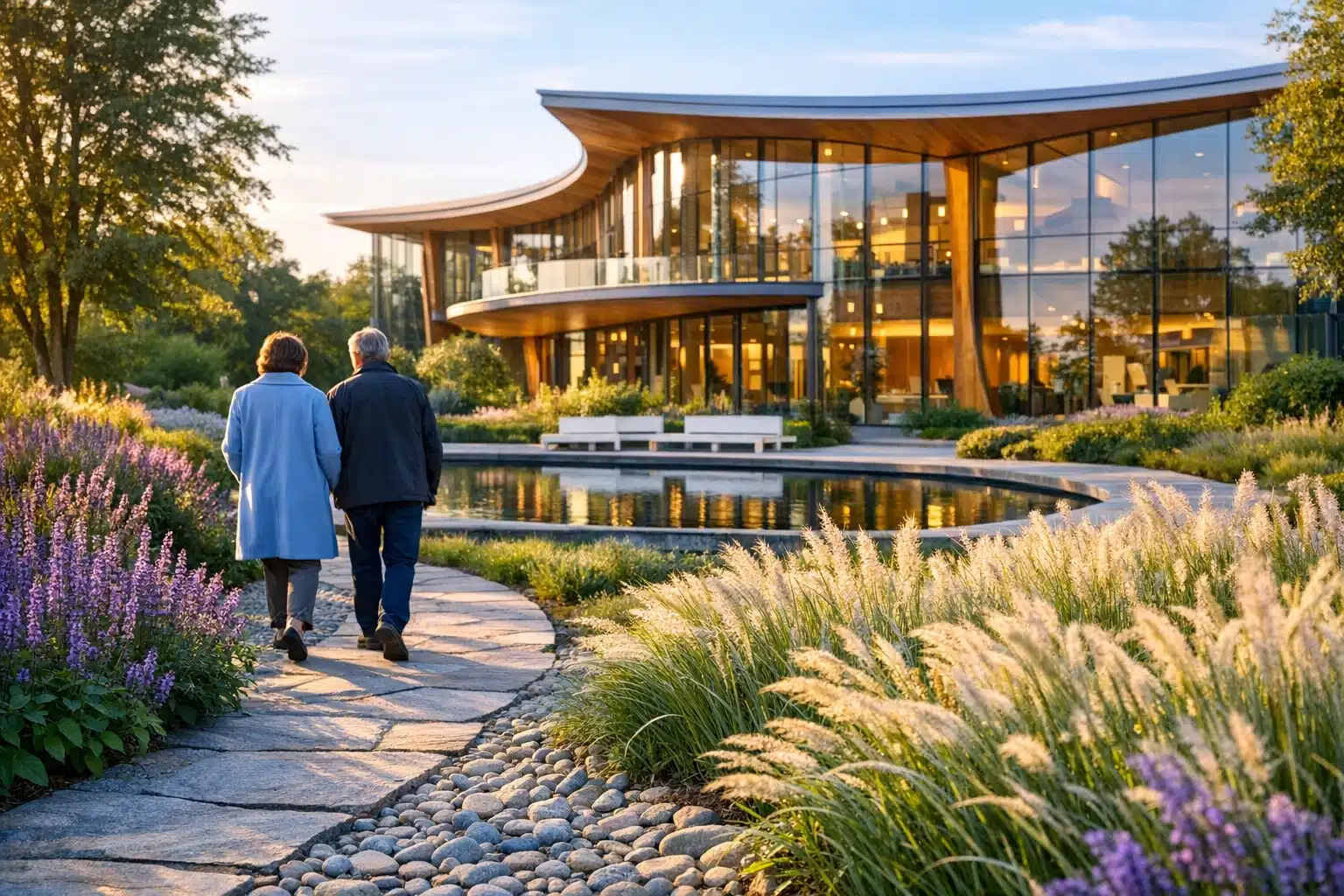
From Charming Streets to Beautiful Countryside, Discover France
Introduction: Why France’s Streets and Countryside Belong Together
Outline:
– Urban charisma: historic quarters, open-air markets, and riverside promenades.
– Rural calm: vineyards, coastlines, mountains, and regional parks.
– Culture link: craft traditions, seasonal foodways, and festivals.
– Practical planning: routes, trains, timing, and budgets.
– Responsible travel: local respect, low-impact choices, and community support.
France’s appeal is a dialogue between cities that hum with creativity and rural landscapes that restore attention and breath. For travelers, that interplay is more than poetic: it is practical. Urban centers concentrate galleries, public transit, and year-round events; the countryside offers slower rhythms, direct connections with growers and makers, and wide horizons for hiking, cycling, or simply listening to wind in the trees. Combining both broadens your understanding of how history, language, and land shaped one of Europe’s most visited nations—welcoming around 90–100 million international arrivals annually, according to global tourism reports. This urban–rural balance helps spread visitor benefits, too, easing pressure on famous quarters while sustaining smaller communities.
Consider how walkable old quarters lead to waterfront paths, how mainline stations launch you toward valleys traced by rivers, or how a weekday museum morning pairs nicely with a weekend farm stay. France counts dozens of UNESCO-listed sites, signaling the density of preserved heritage, yet many joys exist between the marquee names: a village bakery selling loaves cooled on linen, a stone bridge with lichened parapets, or a seasonal roadside stall under plane trees. These moments are not second-tier; they are the connective tissue that makes a journey feel personal. By setting expectations around variety rather than checklists, you protect your time and deepen your experience.
This guide evaluates both sides of the experience with specific comparisons—architecture and street layouts, regional ecosystems and working farms, market culture and table traditions—and closes with sample routes. You will find suggestions for shoulder-season timing, rail-linked day trips, and ways to spend more locally. The goal is not to tell you where to go, but how to choose, so your own mix of charming streets and beautiful countryside feels coherent, restful, and memorable.
Charming Streets: Living History in France’s Cities and Towns
French cities and towns unfold like layered manuscripts: Roman grids revealing medieval passages, grand 19th‑century avenues opening into intimate courtyards, and river quays that once shipped grain now welcoming strollers and cyclists. In the capital, broad boulevards frame axial views, but slip into side streets and the scale tightens—iron balconies draped with geraniums, bakeries perfuming entire blocks before dawn, and corner cafés turned classrooms of local rhythm. In regional centers, you may trace half-timbered facades in the northeast, golden limestone in the southwest, or pastel shutters and sun-bleached squares as you head south. Every material has a backstory: timber once floated down rivers, limestone quarried from nearby cliffs, brick baked from alluvial clay. Streets are archives you can walk.
Architectural contrasts help you plan. Northern towns often keep steep roofs and intimate lanes designed to shield from wind and rain; plazas there feel enclosed, ideal for winter markets and hearty fare. Southern cities open themselves to light with arcades and plazas that invite evening social life, their paving stones worn smooth by centuries of processions and festivals. Canal-laced quarters blend water and cobble, while riverfront promenades in many cities reclaim former industrial edges as green commons. Where tramlines now glide almost silently, you can map a day that alternates between museums, covered markets, and neighborhood trails up to viewpoints crowned with stone walls and bell towers.
To feel these places beyond their facades, borrow the local tempo. Start early to catch bakers finishing their last trays; by midmorning, join the market flow where stalls rotate with the seasons—strawberries in spring, heirloom tomatoes in late summer, wild mushrooms after autumn rain. Midday belongs to leisurely plates and conversation; afternoons open to hidden courtyards, small workshops, or riverside benches where rowers cut the current. Evening returns you to lit squares, when musicians test acoustics under arches and fountains trade daylight sparkle for shadowed murmurs.
Sample micro-itinerary for a compact historic center:
– Sunrise: walk the ramparts or riverbank when stone glows and streets are yours.
– Late morning: taste cheeses at the covered market and note producer labels.
– Afternoon: visit a history museum, then climb a tower or hillside park for orientation.
– Dusk: cross a bridge to watch façades catch the last color, then wander back through side alleys.
Data points reinforce planning. Many mid-sized cities cluster within 2–3 hours by high-speed or regional train from each other, enabling multi-base trips without car hire. Visitor bureaus often publish walking circuits with estimated times (commonly 60–120 minutes) and accessible routes. Add a rest day for serendipity, because the most rewarding street sometimes appears after turning away from the itinerary and following the sound of a fountain.
Beautiful Countryside: Landscapes Shaped by Time and Terroir
Beyond the city perimeters stretch regions where geology and climate write the rules. River valleys weave silver threads between orchards and châteaux; patchworks of vines climb slopes that catch or shelter from prevailing winds; limestone plateaus break into gorges where rapids drum under old stone bridges. Along western shores, tides sculpt wide bays and salt meadows visited by migratory birds; further south, Mediterranean light flattens shadows and amplifies scent—pine resin, wild thyme, crushed olive leaves underfoot. Mountain arcs border the land with serrated horizons, shepherd trails, and alpine lakes as polished as glass when mornings are still.
Numbers help frame this abundance. More than half of mainland territory is used for agriculture and pasture, which is why hedgerows, wheat fields, and grazing meadows fill so many train-window panoramas. Vineyards cover roughly 780,000–800,000 hectares across diverse appellations, from ocean-cooled terraces to sun-baked inland slopes, generating not only celebrated bottles but also seasonal work and cultural rites such as harvest festivals. A network of national and regional parks protects millions of hectares of wetlands, forests, limestone causses, and high pastures; waymarked trails range from gentle loops near villages to demanding multi-day traverses that link refuges and ridgelines.
Comparisons guide choices. For leisurely cycling and castle spotting, river corridors in the center-west offer forgiving gradients and frequent towns. For fragrant summer scenes, inland plateaus bloom with lavender and sunflowers, though crowds and heat peak from late June to August; shoulder months temper both. For wild headlands, northern and western coasts promise cliff paths above foam-flecked water, best walked on cool, clear mornings when lighthouses wink through sea haze. For limestone drama and prehistoric echoes, southwestern valleys reveal caves, overhangs, and villages tucked under cliff lips. Mountain lovers can toggle between alpine meadows bright with gentians in June and quiet snowfields under cerulean skies in February, with avalanche awareness and local guidance in winter.
Rural experiences that add texture:
– Dawn birdwatching in marshes where reeds click in the breeze.
– Picnic lunches sourced from village shops—fresh bread, a soft-rind cheese, pears, and nuts.
– Farm visits that explain soil, pruning, and animal husbandry with hands-in-earth detail.
– River paddling on calm reaches, returning via shaded towpaths once used by draft horses.
Practicalities complete the picture. Regional trains link many valleys and coastal towns, though buses may be needed for last-mile villages. Rental bikes are widely available in tourist hubs; e-bikes flatten hill country and extend your range. If you drive, plan for narrow lanes between stone walls and respect farm traffic; never block field gates. In summer, carry water, brimmed hats, and sunscreen; in shoulder seasons, pack layers and accept that a misty morning can yield the clearest afternoon. Rural France rewards those who slow down and look closely: lichens tracing church buttresses, dragonflies over millponds, and the way wind combs barley so it resembles a river running uphill.
Culture, Cuisine, and Crafts: The Bridge Between Boulevard and Barn
What ties a cobbled passage to a sunlit orchard is culture—living practices that migrate between city storefronts and farm lanes. Weekly markets are the clearest bridge. In urban halls, producers stack pyramids of apricots and lift wheels of cheese onto weathered boards, while in rural squares, shoppers arrive with baskets and news from neighboring hamlets. Seasonality is the conductor here. Spring carries asparagus, young goat cheeses, and peppery greens; summer overflows with stone fruit, tomatoes, and grilled fish along the coasts; autumn invites mushrooms, chestnuts, and slow-braised dishes; winter comforts with root vegetables, cured meats, and broths brightened by herbs saved from warmer months.
Protected designations tell another story. Dozens of cheeses and many wines carry appellation status recognizing origin and method. Think of this less as a hierarchy and more as a map: soils, rainfall, exposure, and tradition converge to produce flavors that make sense in their own places. Bread, too, shows regional signatures—from crust crackle that echoes a wood-fired oven to loaves enriched for festive days. Confectioners shape pralines and nougats tied to local harvests; coastal towns dry salt crystals wind-whitened on the marsh; mountain dairies age tommes in caves where humidity barely changes. Even urban pastry counters and bistros express this geography, because cooks and bakers learn from terroir-conscious mentors and supplier relationships that often begin on country roads.
Dining and tasting tips that respect both sides of the map:
– Read chalkboards and daily menus; they signal what markets have yielded.
– Ask for by-the-glass recommendations tied to the dish, not only to a region.
– Taste cheeses from mild to more assertive so your palate builds rather than resets.
– Learn one or two phrases to thank vendors and ask about origins; curiosity earns generosity.
– Honor mealtimes; many kitchens close mid-afternoon, and patience is returned with care.
Cultural calendars also knit street and soil. Harvest festivals parade tools and stories through town centers; maritime fairs knot ropes and cure fish within sight of modern promenades; winter illuminations brighten façades just as country inns light hearths for travelers arriving with snow on boots. Museums interpret grand narratives, while small ecomuseums preserve crafts like basket weaving or slate splitting. Workshops introduce knife-making, ceramic glazing, or textile dyeing, resulting in souvenirs with lineage rather than logos. When you buy directly from a maker or cooperative, your euros circulate locally, and your memories carry more than a receipt—they carry technique, time, and the human intention that anchors place.
Conclusion: Build Your France—Sample Routes and Smart Timing
If you have three or four days, pick a single city and pair it with an easy rural escape by train. Spend two days on foot in historic quarters, then ride an hour or two to a valley town with bikes for rent, a riverside path, and one standout local museum. This mix keeps transfers short and maximizes immersion. With a week, create a triangle: a gateway city for art and markets, a vineyard or castle corridor for leisurely cycling, and a coastal or upland town for landscape contrast. Ten days allow for four bases—still measured, still generous—so you feel continuity rather than the fatigue of constant check-ins.
Decision framework for a tailored itinerary:
– Prioritize two themes (for example, “architecture and rivers” or “markets and mountains”).
– Choose one anchor city with strong rail links, then two contrasting rural bases within 2–3 hours.
– Set nonnegotiables (a festival date, a market day) and flex everything else.
– Build rest into the plan; a blank morning turns corners into discoveries.
– Balance costs by mixing splurge dinners with picnic lunches from quality village shops.
Budget planning benefits from frank ranges. Regional trains are often affordable, especially when booked in advance; high-speed options raise costs but shrink distances. In cities, transit passes reduce per-ride fares, while walking remains the most revealing mode. In rural areas, a car can unlock hamlets and trailheads; factor fuel, tolls, and parking into daily estimates. Accommodation prices swing with season and location; shoulder months typically stretch value and ease crowding. As for dining, a carefully chosen midday fixed-price menu often delivers notable cooking at a friendly outlay, leaving evenings for a simple plate and a stroll.
Finally, travel choices carry weight beyond the suitcase. Favor tap water where safe; refill a bottle rather than buying plastic. Keep to marked trails; farming margins are workplaces, not shortcuts. Support cooperatives, small grocers, and market producers before larger chains. Learn how to sort waste according to local rules, and consider slower connections that add a village stay instead of a rushed transfer. These are not sacrifices; they are investments in the places you came to see. When you crest a hill and the countryside opens or when a street bends and reveals a square you did not expect, you will feel how city and field, stone and vine, wind and water conspired to make a journey that belongs to you.