Mississippi River Cruise 2026 for Seniors: The Most Important Information at a Glance
Outline:
1) Why a Mississippi River cruise in 2026 is compelling for seniors
2) Routes, seasons, and sample 2026 itineraries
3) Accessibility, comfort, and health on board and ashore
4) Budget, inclusions, and strategies to stretch value
5) Planning timeline, packing, and practical tips for 2026
Why a Mississippi River Cruise in 2026 Appeals to Seniors
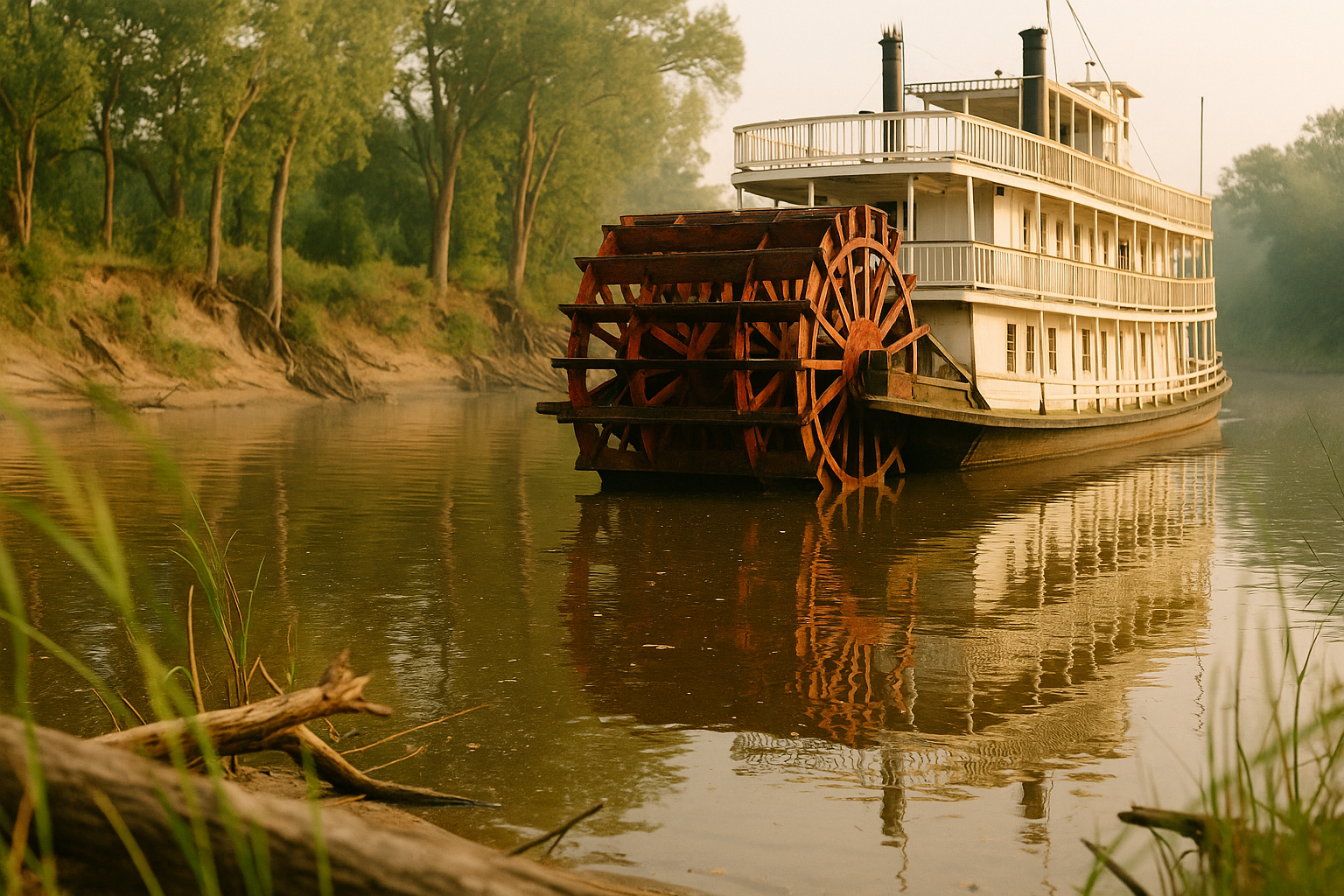
The Mississippi River winds roughly 2,350 miles through the heart of the United States, carrying centuries of stories in its current. For seniors planning 2026 travel, a river cruise along this storied waterway offers a thoughtful blend of comfort, culture, and convenience. Unlike fast-paced itineraries that demand constant packing and transfers, a river voyage acts like a floating boutique hotel, delivering fresh scenery and new towns without the fuss of changing rooms. The rhythm is unhurried, the distances manageable, and the daily choices flexible: socialize on deck, join a lecture, stroll a small museum, or simply watch cottonwood leaves flicker in the breeze.
Relevance is practical as well as poetic. Domestic river cruising removes the complexity of long-haul international flights, language barriers, and currency exchange, yet still feels like a genuine journey. Ships on this route are purpose-built for inland waterways, with shallow drafts and lengths designed to navigate locks and bends. Expect small-ship camaraderie—often a few dozen to a few hundred guests—where staff learn names and routines. That scale encourages accessible excursions, shorter walk times from gangway to attraction, and a cozy sense of community that many older travelers appreciate.
There is also a compelling educational dimension. Port talks and onboard historians illuminate Indigenous histories, river engineering, literature, civil rights, foodways, and jazz and blues traditions. Landscapes shift from cypress-fringed bayous to the limestone bluffs of the Upper Midwest, inviting travelers to compare geographies in real time. For those considering wellness, river waters are typically calm, reducing motion concerns, and the daily pace supports gentle activity without pressure. In 2026, wider adoption of contactless check-in, enhanced sanitation, and streamlined medical protocols is likely to persist across the industry, adding reassurance without intruding on the experience. Think of it as slow travel with depth: the river hums like a long bass note, steady and welcoming, while you set the tempo that suits you.
Routes, Seasons, and Sample 2026 Itineraries
Choosing a route is the key decision, and the Mississippi offers distinct flavors. The Lower Mississippi (generally New Orleans to Memphis or nearby ports) features subtropical warmth, river delta scenery, and culinary traditions layered with Creole and Southern influences. Winter can be mild, spring brings blooming gardens and festival energy, and summer delivers heat and humidity. The Upper Mississippi (often between St. Louis and St. Paul) trades bayous for bluffs, eagles, and small river towns with Scandinavian and German heritage; late spring through early fall is the prime window here, with autumn foliage—typically late September into October—turning hillsides copper and gold. There are also itineraries that dip into tributaries such as the Ohio and Cumberland, adding rolling farmland, locks, and scenic gorges.
Water levels matter. Spring can bring high water and lock closures, while late-summer droughts sometimes lower levels, especially on southern reaches. Cruise operators adjust with modified port calls or added motorcoach segments, and while these changes are usually handled smoothly, flexibility is wise. If scenery density and wildlife viewing appeal to you, the Upper Mississippi’s series of wildlife refuges and more than two dozen locks and dams north of St. Louis create a classic slow-cruise feel. If music, cuisine, and civil rights history call louder, Lower Mississippi towns may resonate more.
Representative schedules for 2026 (actual offerings vary by company and final timetables):
– 7–8 nights, Lower Mississippi: A relaxed sampler of bayous, historic estates, and blues heritage, with average daytime highs from the mid-60s°F in spring to the low-90s°F in midsummer.
– 7–9 nights, Upper Mississippi: Bluffs, small-town museums, and locks in operation; temperate days in June–September, cooler evenings in shoulder months.
– 10–12 nights, Grand Mississippi segments: Bridging Upper and Lower portions with one-way rail or air connections.
– 14–22 nights, Full-length voyages: A deep dive through multiple states, ideal for travelers who relish continuity and don’t mind an extra sea day or two when schedules shift.
Comparing a river itinerary to an ocean cruise clarifies expectations. River ships dock close to the action, so time in port often starts minutes after the gangway drops. Shore time is spent in compact historic districts rather than industrial piers, and landscapes stay in sight, creating a continuous sense of place. Compared with a bus tour, the cruise eliminates hotel-hopping and repacking while still letting you sample many communities. The result is a route choice that reflects your interests: engineering and eagles, gumbo and guitars, or a generous helping of both.
Accessibility, Comfort, and Health on Board and Ashore
For many seniors, comfort is nonnegotiable. Modern riverboats on U.S. waterways typically include elevators serving most passenger decks, grab bars in bathrooms, non-slip flooring, and wide corridors. Some cabins are designed with accessible doorways, step-free showers, and space for mobility devices; these are limited, so early booking is crucial. If you use a scooter or walker, ask about gangway gradients, which can vary with river levels and pier configurations. On shore, most lines offer a range of excursion intensities, from panoramic bus tours with minimal walking to guided walks over uneven cobblestones. Reading the activity rating—and phoning the shore team with your specific questions—pays dividends.
Health services have matured across the sector. Ships carry first-aid supplies and trained personnel, and established protocols link vessels with shoreside clinics for more complex needs. If you use a CPAP machine or portable oxygen, confirm voltage compatibility (standard U.S. 110–120V), outlet placement, and storage. Dietary requests—low sodium, vegetarian, gluten-conscious—are typically accommodated with advance notice. Hand hygiene stations remain common, and daily housekeeping emphasizes high-touch areas. Because rivers are protected from ocean swells, motion discomfort is far less common than at sea, and open-air decks provide ample fresh air for those who prefer it.
Comfort extends beyond the cabin. Public spaces—observation lounges, libraries, and aft patios—are designed for lingering, with large windows and comfortable seating. Lectures and music sets are often scheduled at reasonable hours and repeated to fit various energy levels. If hearing is a concern, ask whether assistive listening devices are available in theaters or during tours. For visual comfort, look for high-contrast signage and well-lit stairwells. A few practical reminders smooth the ride: bring a small nightlight for unfamiliar rooms; pack supportive walking shoes with tread; and keep a compact daypack ready for layered clothing, a refillable water bottle, and required medications in original labeled containers.
Finally, think seasonally. Summer on the Lower Mississippi can be hot and humid; hydration and light fabrics matter. Spring on the Upper River may be breezy and cool in the mornings; a windproof layer helps on open decks. Mosquitoes are part of river life; an unscented repellent and long sleeves at dusk make evenings more pleasant. With these basics covered, comfort tends to take care of itself, and the river’s steady heartbeat becomes the day’s soundtrack.
Budget, Inclusions, and How to Stretch Value
Pricing on U.S. river cruises reflects small-ship operations, domestic labor standards, and close-to-home convenience. As a rough yardstick, many itineraries fall in the range of about $350–$800 per person per night in double occupancy, with premium suites higher and occasional promotions dipping lower in shoulder periods. What is included varies, but commonly you’ll see meals, nonalcoholic beverages, selected shore excursions or credits, onboard lectures, and entertainment. Wi‑Fi is often available but may slow in rural stretches; if robust connectivity is essential, plan for a mobile hotspot as backup.
Key cost variables to examine line by line:
– Cabin type and deck: Larger windows or private balconies add cost; lower decks can offer value with similar square footage.
– Excursions: Some packages include a daily tour; others price à la carte. A “panoramic city” bus tour is usually the most accessible and budget-friendly choice.
– Beverages: Specialty coffees, cocktails, and wine may be bundled or billed; check whether limited pours at lunch and dinner are complimentary.
– Gratuities: Some programs prepay tips; others suggest a per-guest daily amount.
– Single occupancy: Supplements can range from 25% to 100%; watch for occasional reduced-supplement cabins.
– Trip insurance: Plan for comprehensive coverage, ideally with preexisting-condition waivers if purchased soon after your initial deposit.
Value can be created with timing and flexibility. Shoulder seasons—early spring on the Lower River and late fall on the Upper River—often carry attractive pricing and milder crowds. Booking 9–12 months ahead helps secure accessible cabins and early-booking offers; conversely, if your dates are flexible, occasional close-in deals can appear, especially for last open staterooms. Consider bundling rail or air promotions attached to certain sailings, and compare the cost of line-arranged transfers with rideshare or taxi options from airports to piers. For budgeting clarity, build a quick daily estimate that includes potential extras (premium drinks, optional tours, specialty dining, souvenirs), and add a cushion for weather-related changes that might substitute a coach tour for a port call.
Compared with a land tour of equivalent length, river cruising may look pricier at first glance but often consolidates lodging, dining, entertainment, and intra-trip transportation into one figure. The absence of daily packing, driving, and restaurant hunting adds intangible value—especially meaningful when energy is a resource to steward. In short, identify your nonnegotiables, tally inclusions carefully, and let the calendar work for you.
Planning Timeline, Packing, and Practical Tips for 2026
A smooth 2026 cruise starts with a straightforward timeline. Begin 12 months out if you require an accessible stateroom or have fixed vacation dates. Research routes that align with your weather comfort zone, then hold space with a refundable or low-risk deposit if possible. Within 10–14 days, evaluate travel insurance; policies purchased in that window often allow preexisting-condition waivers. At six months, confirm flights or rail connections and consider a pre-cruise hotel night to absorb delays. Final payments commonly fall 90–120 days before sailing; mark that date to recheck passports (if you plan to use one), driver’s licenses, or Real ID-compliant identification for domestic flights.
Packing is about layers and lightness. The river’s microclimates can swing in a single day, so think modular: breathable base layers, a midweight sweater or fleece, and a packable rain shell. Shoes matter more than outfits; bring one pair of supportive walking shoes and a dress-casual option with grip. Sun is part of river life, even on overcast days; include a wide-brim hat, sunglasses with UV protection, and reef-safe sunscreen. A compact umbrella helps on blustery locks, while a small binocular enhances wildlife watching—bald eagles, herons, and pelicans are common sights. Charging cubes and extra-long cables solve outlet battles, and a labeled pill organizer with backup prescriptions in your carry-on protects your routine.
Practical tips that pay off in 2026:
– Document readiness: For domestic flights, carry a Real ID-compliant license or a passport; keep a printed copy of your cruise confirmation and travel insurance.
– Health prep: Update vaccinations as advised by your clinician; pack a personal medical summary and emergency contacts.
– Connectivity: Download maps and reading material offline; cellular coverage is generally strong in towns but can thin between them.
– Weather awareness: Monitor river conditions the week before departure; low or high water can alter call times or substitute touring.
– Mobility planning: If you need a lightweight transport chair or scooter rental, arrange delivery to your pre-cruise hotel.
– Money smarts: Small bills help with incidentals in port; most onboard purchases are cashless and settled to your account.
Finally, set an intention for the journey. The Mississippi is more than geography; it is a living archive. Give yourself permission to sip coffee on deck at sunrise, when the river looks like hammered bronze, and to linger in small museums where volunteers share stories you won’t read elsewhere. With a right-sized plan, a flexible attitude, and a suitcase that leaves room for serendipity, 2026 can be the year the river carries you—steadily, generously—through a chapter of American life you’ll remember with clarity and warmth.


