7-Day Japan Travel Package: All-Inclusive Travel Options for 2026
How All‑Inclusive Japan Tours Work in 2026: Value, Scope, and Who Benefits
Outline for this guide:
– What “all‑inclusive” typically covers in Japan and where the fine print lives
– A pragmatic 7‑day route linking major highlights with balanced pacing
– Cost ranges, inclusions vs. exclusions, and DIY comparisons
– Timing your trip by season, crowds, and weather in 2026
– Booking criteria, traveler protections, and a short conclusion you can act on
All‑inclusive travel in Japan packages the essentials into a single, predictable price, aiming to reduce friction in a country where rail networks are intricate, dining choices are abundant, and cultural etiquette rewards a little guidance. In 2026, these bundles commonly include centrally located hotels, airport transfers, intercity high‑speed train seats, local transit support, several guided sightseeing blocks, admission to key attractions, daily breakfasts, and one or two curated dinners. Many also add luggage forwarding between cities to keep travel days light, plus 24/7 support in English or another major language. Exclusions usually cover international flights, some lunches and dinners, beverages, optional experiences, and personal purchases.
Who benefits most? First‑time visitors who want to see Tokyo, the Kyoto–Osaka area, and a day in the Mt. Fuji region without wrestling with timetables. Multigenerational groups gain from step‑free route planning, assistance with dietary needs, and guaranteed room categories. Solo travelers value the predictability and safety net, though they should budget for possible single‑room supplements. Meanwhile, enthusiasts who already know how to optimize rail passes and local eateries may still choose an inclusive plan for peak seasons, when reserved seats, timed entries, and expert timing can save hours.
Context matters. Japan welcomed well over twenty million visitors in 2023, and demand has continued to climb toward pre‑2019 benchmarks. That momentum means more sold‑out trains during blossom and foliage peaks, higher weekend occupancy near hotspots, and longer queues at famous viewpoints. The inclusive approach counters this with pre‑booked slots, realistic pacing, and consolidated payments. It does not remove all uncertainty—weather and crowd surges still happen—but it reduces the moving parts you must juggle, especially across multiple cities in just one week.
A Practical 7‑Day Route: City Hops, Day Trips, and Balanced Pacing
This 7‑day outline targets breadth without burnout, threading together signature city scenes, a classic mountain‑lake panorama near Mt. Fuji, and timeless temples. It assumes a morning arrival on Day 1 and an evening flight on Day 7; shift segments if your flights differ. Walking is part of the charm, so the plan builds in rest, flexible meal times, and pockets of unscheduled exploration that let you follow your curiosity.
Day 1 — Arrival and orientation in Tokyo. Settle into your hotel, stretch your legs with a neighborhood stroll, and get briefed on local customs, transit etiquette, and neighborhood dining. A hosted welcome dinner often introduces seasonal ingredients—think delicate broths in winter, refreshing cold noodles in summer—paired with a primer on table manners so you feel confident from night one.
Day 2 — Tokyo contrasts, from historic districts to shimmering skylines. A guided morning might cover a riverside shrine, a covered market, and a traditional garden where gravel paths crunch softly underfoot. After lunch, ride a panoramic elevator in a modern district and, if skies are clear, catch a sunset glow that dusts the city in pinks and ambers. Optional night walks in lantern‑lit alleys showcase tiny eateries and late‑evening aromas of grilled skewers.
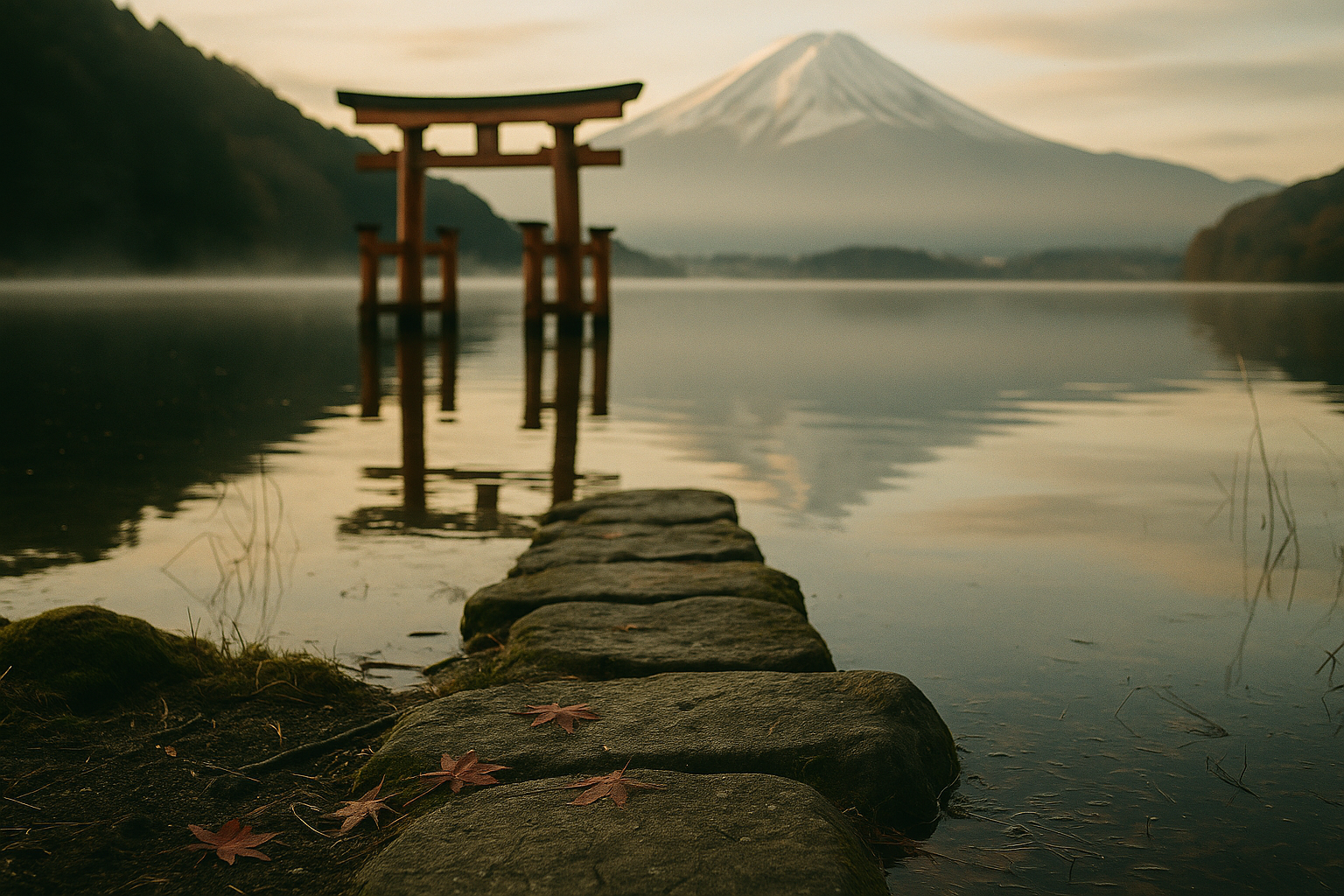
Day 3 — Mt. Fuji area or lakeside retreat. Weather permitting, travel to a lake town for mountain reflections and cedar‑scented paths. Classic options include a short cruise or a ropeway to a bluff where volcanic rock peeks through moss. In cooler months, a hot‑spring inn dinner caps the day with a multi‑course feast that spotlights regional vegetables and river fish. If clouds roll in, pivot to a craft village, an art museum, or a forest walk that is atmospheric even in mist.
Day 4 — High‑speed ride to Kyoto. Watch rice fields blur into wooded hills. After check‑in, explore narrow lanes lined with wooden facades and paper lanterns. An evening tea tasting teaches the language of aroma, body, and finish, and sets up tomorrow’s deeper dive into temples and gardens.
Day 5 — Kyoto’s time capsule. Start early at a hillside temple before tour buses arrive; the verandas creak, and the city opens beneath you. Move to a bamboo grove where light stripes the path, then on to a villa garden that layers raked gravel, stepping‑stone geometry, and koi ripples. Lunch might be a simple set of rice, pickles, and grilled tofu, letting you travel light into an afternoon of vermilion gates or a moss garden that feels like a whisper.
Day 6 — Osaka and a Nara detour. Sample Osaka’s famed street foods—crispy batter, savory sauces, and a sprinkle of seaweed fragrance—then hop to Nara for a giant seated Buddha and parkland where deer wander among stone lanterns. Return to neon‑lit canals for a final free evening of shopping and photos reflected in the water’s shifting mirror.
Day 7 — Departure day logistics. A smooth checkout, luggage transfer or storage, and timed airport transit guard against last‑minute stress. If time allows, slip into a quiet shrine for a closing breath. An inclusive plan typically holds buffer time for traffic, platform changes, and security, so you end rested rather than rushed.
Where inclusions help most:
– Pre‑arranged train seats and museum entries in peak seasons
– Translation support for dietary requests and directions
– Luggage forwarding between cities to keep hands free
– Curated dining that avoids tourist traps without inflating costs
Costs, Inclusions, and What You’d Pay DIY: Transparent Math and Trade‑offs
Prices vary by season, hotel category, group size, and how many guided hours you prefer, but you can sketch a realistic range to benchmark offers. For a 7‑day, two‑city‑plus‑excursion plan in 2026, a mid‑range all‑inclusive package commonly lands between about USD 1,600 and 2,600 per person, excluding international flights. Here is how that can break down before operator overhead and contingencies:
– Hotels (6 nights, twin share): USD 90–170 per person per night in major cities, depending on room size and location
– Intercity high‑speed train seats (Tokyo–Kyoto–Osaka): roughly USD 120–160 per person total
– Local transit and airport transfers: USD 40–90 per person
– Admissions and experiences: USD 70–150 per person, rising with special exhibits or evening programs
– Guided services (2–3 half days): USD 180–320 per person in small groups
– Meals included (6 breakfasts + 2 curated dinners): value equivalent of USD 150–260 per person
– Luggage forwarding (one transfer): USD 15–25 per bag
Operators add planning time, on‑call support, and risk buffers, which typically appear as service fees or margins. That uplift buys convenience and smoother logistics in high‑demand windows. When comparing against a do‑it‑yourself approach, consider not just raw totals but failure points: sold‑out trains during blossom weeks, timed‑entry museums that book out, or a rainy day that forces last‑minute re‑routing and penalties. An inclusive package shifts those headaches to someone who already holds reservations and alternates.
DIY can save money if you:
– Travel outside peak periods and accept basic rooms farther from stations
– Self‑guide in cities and limit paid experiences
– Eat primarily at lunch spots and neighborhood counters rather than view restaurants
– Carry your own bags between accommodations and skip forwarding
Packages deliver value if you:
– Want guaranteed seats and entry times during high season
– Prefer mid‑to‑upper‑mid hotels within a short walk of major stations
– Need structured days for elders or children
– Appreciate a single invoice, clearer budgeting, and fewer micro‑decisions
Taxes and exchange rates can shift totals year to year, so request itemized inclusions and a currency‑hedging or adjustment clause. Transparent quotes spell out meal counts, room types by square meters, guided hours, and what happens to unused services if weather intervenes. If two proposals look similar in price, weigh the intangibles—group size caps, guide expertise, and backup plans—because those often define the on‑the‑ground experience.
Seasons, Regions, and Crowd Patterns: Choosing the Right Week in 2026
Japan’s rhythms change with its seasons, and so does the logic for an all‑inclusive plan. Late March to early April usually brings cherry blossoms to lowland cities; trains and hotels surge in demand, and pre‑booked slots can be the difference between a gentle morning under petals and a mid‑day scrum. Late October to late November paints temple gardens in copper and crimson; photographers and weekend trippers fill narrow lanes. Summer delivers festivals and fireworks alongside heat and humidity, while winter reveals powder snow in the north and clear mountain views around the Fuji region.
For 2026, think in windows rather than single dates, and match them to goals:
– Early spring (late Mar–early Apr): soft light, cool air, bloom hotspots; highest crowd pressure in popular parks
– Late spring (late Apr–May): holidays cluster, so prices and sell‑outs spike; book far ahead or choose quieter regions
– Summer (Jun–Aug): rains in early summer; mid‑summer heat favors coastal breezes, alpine escapes, and evening activities
– Autumn (Oct–Nov): foliage drives weekend peaks; weekdays ease crowds
– Winter (Dec–Feb): crisp skies in central Honshu, coastal storms in some regions; hot‑spring inns feel especially rewarding
Regional picks by interest:
– Culture‑first: Kyoto, Nara, Kanazawa, with half‑day craft workshops
– Scenery‑first: Fuji Five Lakes, the Japan Alps, coastal peninsulas with rugged capes
– Food‑first: Osaka, Fukuoka, and regional markets where seasonal seafood anchors menus
– Snow‑first: Northern resorts and backcountry valleys with deep, dry powder
Holidays matter. The stretch from late April into early May concentrates domestic travel, as does the turn of the year. Weekends magnify crowding at famed viewpoints; weekday mornings are calmer. An inclusive tour can pace arrivals to miss the heaviest surges and can secure timed entries that independent travelers may not find in peak weeks. Finally, accessibility: trains and stations are broadly step‑free, but some older temples and hillside trails include stairs and uneven stone. Clarify elevator access, walking distances per day, and coach drop‑off points so every traveler in your group can enjoy the route without strain.
Conclusion: How to Choose Your 7‑Day All‑Inclusive for 2026
Selecting the right package is equal parts math and fit. Start by defining non‑negotiables: room size and bedding, proximity to stations, number of guided hours, and whether luggage forwarding is included. Ask for a line‑item list that states meal counts, admissions, daily walking estimates, and coach usage. Confirm cancellation timelines, change fees, and how weather disruptions are handled—especially for mountain viewpoints and outdoor cruises. Check that your operator is licensed and insured, and that emergency contacts are reachable around the clock.
Quality signals to look for:
– Clear daily schedules with buffer time and alternatives
– Small group caps or private options for families
– Guides with cultural training, not just navigation skills
– Dietary accommodation spelled out in writing, including vegetarian, vegan, and faith‑based needs
– Thoughtful sustainability choices, such as energy‑efficient hotels and minimized single‑use plastics
Financially, compare total value, not sticker price. A slightly higher quote that guarantees central hotels and timed entries can save an hour or two each day, which matters when you have only a week. Consider travel insurance that covers medical care and delays, and pay attention to currency terms if your deposit and balance are months apart. Practical add‑ons—like a portable router for shared data, or luggage transfer on your longest jump—often return their cost in comfort and saved time.
The takeaway is simple: an all‑inclusive week in Japan works when it aligns with your priorities and the calendar. For first‑timers, it wraps high‑impact highlights into a calm, coherent loop. For repeat visitors, it can unlock a new theme—gardens, regional kitchens, alpine trails—without the planning lift. Decide what matters, secure dates early for spring or autumn, and let a well‑structured plan carry you from neon skylines to temple hush with room to breathe between.


